Door Closers & Panic Hardware
Denver's commercial corridors — from the busy retail strips along Colfax Avenue to the office towers clustered around the Denver Tech Center — face a consistent challenge that many building owners underestimate: exit hardware and door closers are not optional accessories. They are life-safety devices regulated by the International Building Code, the International Fire Code, and Colorado's own adopted amendments. A panic bar that sticks, a door closer set at the wrong tension, or an exit device installed on the wrong type of frame can create a code violation that puts occupants at risk and exposes property owners to serious liability. Pro Aurora Locksmith sends trained, insured technicians directly to your site to evaluate, install, and adjust this hardware the right way — without the guesswork.
Open 24 hours, 7 days a week · Licensed, bonded & insured
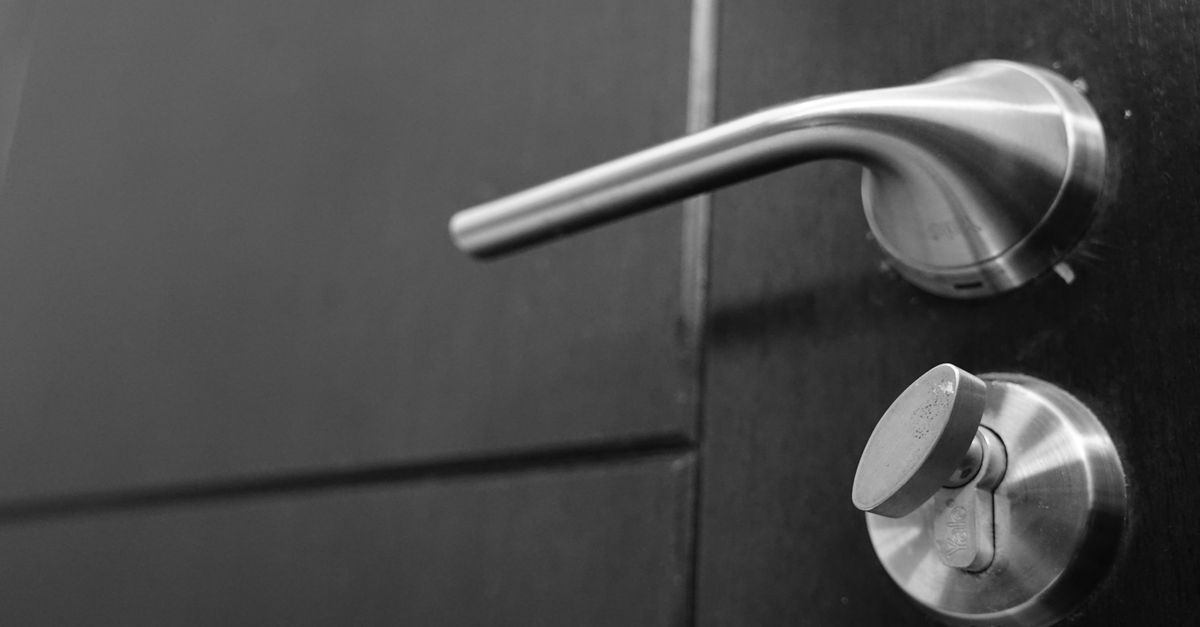
“Whether you manage a single-tenant strip mall off Alameda Avenue, a multi-story office building near Union Station, or a warehouse in the Gateway industrial district, our mobile team arrives fully stocked and ready to work. We do not run a shop you drive to — we come to you, 24/7, including nights, weekends, and Colorado's unpredictable weather days when a malfunctioning exit device becomes an urgent safety issue. Every job begins with a clear, upfront price confirmed before any tools come out, so there are no surprises on the invoice.
What we do
Available 24/7
Day, night, weekends and holidays — a real local locksmith answers and rolls a fully-stocked van.
Fast local response
Based in Denver, we reach the Denver area in well under an hour.
Insured & background-checked
Vetted technicians, up-front pricing, and no surprise add-ons when we arrive.
Damage-free entry
We pick and bypass locks the right way, so most lockouts are solved without drilling anything.
More about our work
Everything you need to know about how we help — at a glance.
Why Door Closers and Panic Hardware Are Code-Critical in Colorado
Exit devices — commonly called panic bars or crash bars — and overhead door closers are required by code on most commercial and high-occupancy doors in Colorado. The specific requirements depend on the building's occupancy classification (A, B, E, M, etc.), the door's location in a fire-rated assembly, and the direction of egress travel. In Denver, inspections by Denver Community Planning and Development frequently flag improperly installed or missing panic hardware as a primary deficiency on certificate-of-occupancy reviews. A mortise lock used on a primary egress path, for example, must meet ANSI/BHMA Grade 1 standards and be compatible with the exit device trim if a lever is incorporated — details that matter enormously during an inspection but are easy to get wrong without hands-on experience.
Door closers add another layer of complexity. Sweep speed, latch speed, and back-check pressure must all be calibrated to the specific door weight and width. ADA compliance under Colorado law requires closing force to stay within defined limits so that individuals with mobility impairments can operate the door independently. Our technicians assess each door's size, weight, frame material, and traffic volume before selecting the right closer series and setting the appropriate fluid-valve adjustments on-site. We do not guess and we do not hand you a generic catalog recommendation — we fit the hardware to your actual door.
Commercial Locksmith Services: Mortise Lock Integration with Exit Devices
A mortise lock is the backbone of most commercial door hardware assemblies. Unlike a cylindrical door knob lock that bores a simple round hole through the door, a mortise lock body is recessed into a precisely routed pocket inside the door's edge, giving it far superior strength and allowing it to interface cleanly with panic hardware trim, electric strikes, and access-control systems. When an exit device is installed on a door that also needs keyed entry from the exterior, the mortise lock and the exit device must be selected as a compatible pair — the lever trim on the outside of the panic bar typically drives the mortise lock's latchbolt, and the mortise cylinder controls keyed access. Mismatching these components creates binding, uneven wear, and potential code failures.
Pro Aurora Locksmith's commercial locksmith technicians are experienced with the full range of mortise lock formats — ANSI F series, ANSI A series, and European DIN standards — and we carry a working inventory of common mortise bodies and cylinders on every service vehicle. If your Denver property currently has a door knob lock on a high-traffic commercial door and you need to upgrade to a compliant mortise lock and panic device combination, we can perform that full conversion in a single visit. Our goal is always to complete the work without unnecessary damage to the door or frame, preserving finish and structural integrity wherever the hardware allows.
Emergency Locksmith Response for Exit Hardware Failures
A panic bar that fails in the locked position during business hours is not a problem you schedule for next week — it is a potential OSHA violation and a fire egress hazard that needs to be resolved immediately. Our emergency locksmith response covers exactly these scenarios. We operate 24 hours a day, 7 days a week, and a real person answers when you call (704) 850-6756. Technicians are dispatched from positions throughout the Denver metro area, so whether your building is near Stapleton, in the Highlands, or out in Aurora along E-470, you are not waiting for someone to drive in from a distant suburb.
Common emergency situations we handle include: panic bars that will not retract due to a failed latch mechanism or bent rod assembly; door closers with blown hydraulic seals that cause the door to slam uncontrolled or refuse to latch; mortise lock cases that have seized due to temperature cycling — a real concern during Denver's dramatic seasonal temperature swings — and exit devices that have been vandalized or forced, leaving the door unable to secure. In every case, our trained technician arrives, diagnoses the specific failure, explains the repair or replacement path, and gives you a confirmed price before touching anything.
What Determines Your Installation or Repair Quote
Pricing for door closer and panic hardware work is shaped by several specific variables, and we want you to understand them before we arrive. First is the hardware itself: a heavy-duty surface-applied door closer for a 3-foot commercial door costs materially different from a concealed overhead closer rated for a wide vestibule door. A mortise lock body with a full-function lever trim set is a more involved component than a simple cylindrical door knob lock. Second is the door and frame construction — hollow metal frames, wood frames, aluminum storefront frames, and steel fire doors all require different fastener strategies and, sometimes, reinforcement plates. Third is access complexity: a door in an active restaurant kitchen or a secured server room requires coordination with the customer that a simple exterior entry does not.
Fourth is the time of your call. Our 24/7 availability means we respond at 2 a.m. on a Tuesday exactly as we do at 10 a.m. on a Thursday, but after-hours dispatch is reflected in the quote. Fifth is travel distance across the Denver metro — a job in downtown Denver and a job near the Jefferson County line involve different drive times and that is factored in honestly. We confirm an exact price before any work begins, every single time. There are no hidden fees added at the end of the job. That transparency is a practical standard we hold ourselves to on every call.
Frequently asked questions
Can you rekey a lock without having the original key?
Yes, and this is one of the most common requests our commercial locksmith technicians handle. Rekeying without the original key requires disassembling the lock cylinder using a plug follower and a decoder to read the existing driver and key pins before resetting them to a new key cut. On a mortise lock, this process also involves removing the cylinder from the mortise case carefully so as not to disturb the cam or tailpiece alignment. Our technicians carry the tools and pin kits to rekey virtually any commercial cylinder on-site, including Schlage, Medeco, and Best SFIC formats. You end up with a new key that works and full assurance that old keys — whether lost, stolen, or held by former employees — no longer operate the lock.
Can a locksmith make a key for my car when I have lost all copies?
Absolutely. Losing every copy of your car key is stressful, but it is a problem our mobile team resolves regularly throughout the Denver area. The process varies significantly by vehicle make, model year, and key type. Older vehicles with basic metal keys can often be decoded by reading the lock tumblers directly and cutting a new key on the spot. Newer vehicles with transponder chips, laser-cut high-security keys, or proximity fobs require programming equipment that reads and writes to the car's immobilizer system. We carry OBD-II programming tools for a wide range of domestic and imported vehicles. The final price depends on the vehicle type, the key type, and the programming complexity — we confirm the exact amount before starting any work.
What are your business hours?
Pro Aurora Locksmith operates 24 hours a day, 7 days a week, 365 days a year — including holidays. Denver does not take days off and neither do lock failures, so we built our entire operation around constant availability. There is no answering machine during off-hours; a real technician or dispatcher picks up every call to (704) 850-6756 at any time of day or night. Whether you have a panic bar failure at 6 a.m. before your staff arrives or a commercial lockout at midnight, you reach someone who can dispatch help to your location immediately.
What payment methods do you accept?
We accept all major credit and debit cards, cash, and digital payment platforms. We want the payment process to be as straightforward as the service itself. Before we begin any work — whether it is a door closer installation, a mortise lock conversion, or an emergency lockout — we give you an exact quote and confirm the payment method that works best for you. There are no surprise charges added after the fact. If parts beyond the initial scope are needed mid-job, we stop, explain the additional work required, confirm the revised price, and proceed only with your approval.
How much do locksmiths make in Colorado, and does that affect what I pay?
This is a fair question that connects labor costs to service pricing. According to publicly available wage data, locksmiths in Colorado earn wages that reflect the state's higher cost of living relative to national averages — Denver's housing and operating costs are among the highest in the Mountain West region. That means professional locksmith services here are priced to sustain skilled, insured technicians who carry proper tools and hardware inventory. What you pay for a door closer or panic hardware installation reflects real labor, real parts, and real overhead — not a race to the lowest possible number. We compete on transparency and quality of execution, not on cutting corners to undercut a quote.
Which states don't require a locksmith license, and does Colorado regulate the trade?
Colorado is one of the states that does not currently have a statewide licensing requirement specifically for locksmiths. That means the barrier to calling yourself a locksmith is legally low in Colorado, which makes it important for customers to ask the right questions when choosing who works on their security hardware. At Pro Aurora Locksmith, our technicians are trained and insured — we carry liability insurance and our team members develop their skills through hands-on experience with commercial, residential, and automotive hardware. When someone is working on your panic hardware or mortise lock system, ask whether the technician is insured, whether the company provides a written price before starting, and whether they have direct experience with the specific hardware type on your door. Those answers tell you far more than a license number alone.
What is an American locksmith, and how does that apply to the work you do?
The term 'American locksmith' most often refers to practitioners trained in North American lock formats and coding systems — ANSI-standard hardware, American key-bitting specifications, and the residential and commercial products dominant in the U.S. market. This matters practically because American-format mortise locks, cylindrical locks, and exit devices use key-bitting depths, cylinder diameters, and cam configurations that differ from European DIN-standard or Asian-format hardware. Our technicians work primarily with American-format hardware, which covers the vast majority of what you encounter on commercial doors in Denver — from Schlage exit device trims to mortise lock bodies with standard ANSI keyways. If you have a building with imported hardware or specialty cylinders, we assess compatibility before any work begins so you know exactly what you are getting.
Locked out or need a lock fixed? We are on the way.
We answer 24/7 — talk to a real local locksmith now.
(704) 850-6756