Pro Aurora Locksmith Service Team
Local locksmith team
Oct 17, 2026 12 min read
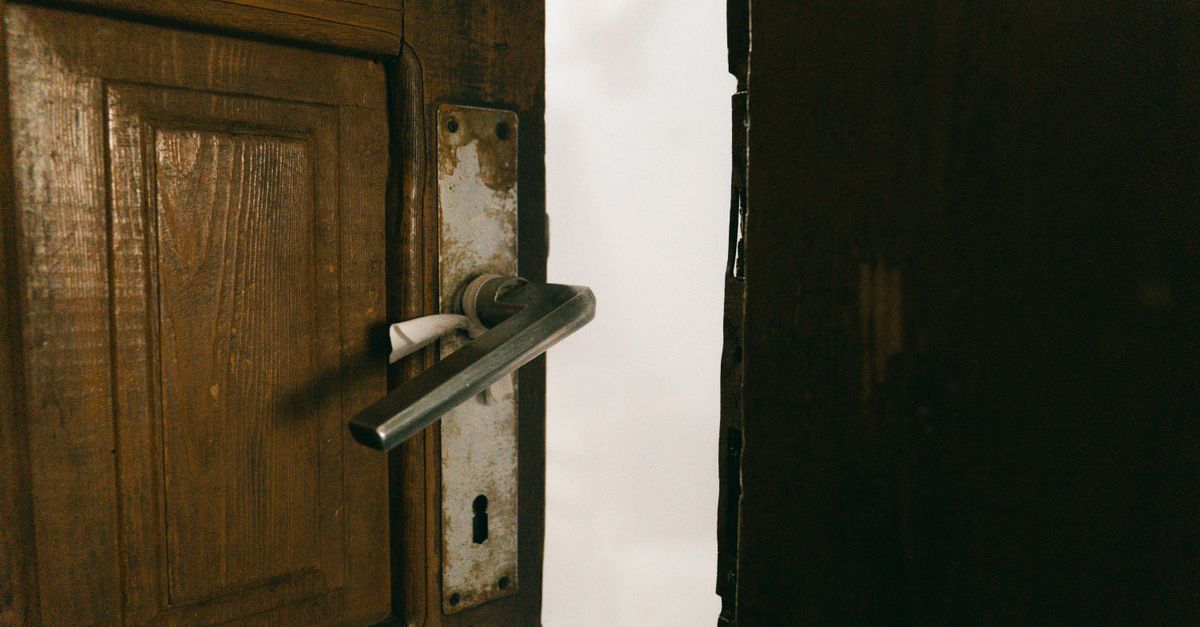
If you own a home in Denver's older neighborhoods — think Capitol Hill, Potter-Highlands, or the bungalow belts along South Pearl Street — there's a good chance your front door holds a piece of hardware history: the mortise lock. Heavier than anything sold at a big-box store, set deep into the door's edge, and built to last decades, these locks were the gold standard of American locksmith craft throughout the early and mid-twentieth century. But standards evolve, keys get lost, and doors get replaced. So the real question for Denver homeowners today is whether to restore that original hardware, upgrade it, or swap it out entirely for a modern cylindrical lock.
This guide gives you a practical, side-by-side look at both lock types — how they work, where each one shines, and exactly when it makes sense to keep, rekey, or replace what's already on your door. Whether you're moving into a 1920s craftsman near Cheesman Park or retrofitting a newer build in Stapleton, understanding your options puts you in control of your home's security before a lockout or break-in forces the decision for you.
## What Is a Mortise Lock — and Why Denver Homes Are Full of Them
A mortise lock is a lock mechanism that sits inside a precisely cut rectangular pocket — the mortise — carved into the body of the door itself. Unlike a cylindrical lock, which is drilled through the door face and held in place by a cylindrical housing, the mortise lock set integrates the latch, deadbolt, and sometimes a privacy turn all into one unified steel case. That case is flush with the door edge, which is why the hardware feels so solid: it's not sitting on the surface, it's part of the door's structure. The external trim — the knob, lever, or thumb turn — threads into that internal case through a mortise lock cylinder, the replaceable plug that reads your key. Brands like Corbin Russwin mortise lock hardware and Baldwin mortise lock sets were built to commercial-grade tolerances and were installed widely in Colorado homes and apartment buildings from the 1890s through the 1960s.
Denver's housing stock reflects this history precisely. The city's earliest residential expansion — along Federal Boulevard, in the Baker neighborhood, and up into the Congress Park area — happened during the era when the mortise lock was simply what doors used. Walking through any of these neighborhoods today, you'll find original mortise hardware still functioning on front doors that have seen a century of Colorado winters. That durability is the first argument for keeping them. The second is cost: restoring or rekeying an existing mortise lock set for an exterior door is almost always more practical than replacing the entire door slab to accommodate a different lock format.
## Cylindrical Lock Basics — the Modern Standard Worth Understanding
The cylindrical lock — sometimes called a bored lock or a knob-and-deadbolt combo — became dominant in American residential construction after World War II, when tract housing demanded faster installation and standardized door prep. Instead of a complex pocket mortised into the door edge, a cylindrical lock requires only two bored holes: one large hole through the door face for the knob or lever body, and one smaller hole through the door edge for the latch bolt. The two-piece assembly clips together and is secured with a face plate. For builders putting up dozens of homes at a time, this was a revolution in speed. For homeowners today, it means an enormous selection of off-the-shelf replacements, including smart mortise lock alternatives like connected deadbolts that can be rekeyed by app or integrated with a home automation system.
Cylindrical locks aren't inferior — they're simply different. A Grade 1 cylindrical deadbolt from a reputable hardware brand meets or exceeds most residential security benchmarks. The vulnerability isn't in the lock mechanism itself; it's in the door frame and strike plate. A correctly installed cylindrical deadbolt with a reinforced strike plate and three-inch screws is extremely difficult to defeat by force. Where cylindrical locks can fall short compared to a well-maintained mortise lock is in longevity and the depth of the bolt throw — a full mortise mechanism simply offers more engagement with the door edge, which matters on older, heavier doors that don't align perfectly with modern frame tolerances.
## Mortise Lock vs. Cylindrical Lock — A Practical Side-by-Side for Your Door Knob Lock Decision
Here's how to think through the comparison for your specific situation. If your door is a solid-core wood door more than two inches thick — common in pre-war Denver construction — a mortise lock set is almost certainly the right hardware for it. The door was designed around that pocket, and filling it to install a cylindrical lock often weakens the door's structural integrity. Conversely, if your door is a hollow-core or modern steel-faced door with standard 2-1/8-inch bore holes, a cylindrical lock is what the door was built for, and forcing a mortise conversion would be impractical and expensive without good reason. For mortise lock cylinder exterior door applications on historic homes, the smart move is to keep the case and replace only the cylinder — a relatively straightforward job for an experienced locksmith that restores security without altering the door's original character.
The smart mortise lock category is also worth a mention for homeowners who want keypad or Bluetooth access without abandoning the mortise format. Several manufacturers now produce mortise-compatible smart lock cylinders that drop into an existing case, giving you electronic access control on a door that still carries its original 1940s hardware. This hybrid approach is increasingly popular in Denver's Highlands and Washington Park neighborhoods, where homeowners are renovating historic properties but want modern convenience. The final factor is security posture: if your existing mortise lock is misaligned, the bolt is stiff, or the cylinder is worn enough that a key copy barely works, those are signs the lock needs professional attention now — not after a lockout on a January night when temperatures drop below zero.
## When to Call an Emergency Locksmith — and What to Expect from a Professional Assessment
A lockout is the obvious trigger, but it shouldn't be the only one. If you've recently moved into a Denver home — especially one that's changed hands a few times — you have no way of knowing how many key copies are floating around. Rekeying is the standard solution, and here's an angle that surprises many homeowners: a skilled locksmith can rekey a mortise lock without the original key. The process involves disassembling the cylinder, decoding the existing pin stack, and re-pinning it to a new key cut. It's legitimate, it requires professional tools, and it means you don't have to replace expensive mortise hardware just because the previous owner took the only key. The same logic applies to car locks — a qualified locksmith can make a key for your vehicle even when all copies are lost, using the vehicle identification number, lock decoding, or on-board diagnostic tools depending on the make and year. Lost your only car key in the parking lot at the Denver Botanic Gardens? That's exactly the kind of situation our mobile team handles around the clock.
When you call Pro Aurora Locksmith for a lock assessment — whether for a historic mortise lock set or a modern cylindrical deadbolt — our process starts with ownership verification and a visual inspection before any work begins. We look at bolt engagement, cylinder wear, strike plate condition, and door-frame alignment. From there we give you a clear, up-front quote before touching anything. The final price depends on factors like the lock type and brand, whether replacement parts are needed, the time of day, and travel distance to your location — there are no surprise charges added after the fact. If your situation is urgent, call us now at (704) 850-6756. We're a 24/7 mobile locksmith operation, and we serve all of metro Denver, from Aurora to Wheat Ridge.
## The American Locksmith Craft — Licensing, Payment, and What Good Service Actually Looks Like
Colorado is one of the states that does not require a statewide locksmith license — meaning there is no mandatory state-issued credential a locksmith must hold to operate in Denver. That puts the burden of vetting squarely on the homeowner. When evaluating any locksmith, look for verifiable business presence, insured technicians, clear up-front pricing, and willingness to verify your ownership or identity before starting work. At Pro Aurora Locksmith, our technicians are trained, experienced, and insured — and we confirm your right to access the property before any lockout service begins. That's not a bureaucratic hurdle; it's the practice that separates a legitimate, professional locksmith operation from the fly-by-night operators who give the trade a bad name. The American locksmith profession has a long tradition of skilled, community-based service, and we take that standard seriously in everything we do across the Denver metro.
On the practical side: we accept multiple payment methods, including major credit cards, debit cards, and cash, so you're never stuck at the end of a service call scrambling for the right form of payment. As for business hours — we don't have them in the traditional sense. Pro Aurora Locksmith operates 24 hours a day, seven days a week, 365 days a year. A lock emergency at 3 a.m. on a Sunday gets the same trained technician and the same professional service as a scheduled lock replacement on a Tuesday afternoon. Our commercial locksmith services extend this same availability to Denver businesses — retail storefronts, property managers, and office buildings that need after-hours rekeying, master key systems, or mortise lock hardware serviced without waiting for a business day. Whatever your door holds — a century-old Corbin Russwin case or a brand-new smart deadbolt — call (704) 850-6756 and we'll handle it right.
## Our Full Range of Denver Locksmith Services
Pro Aurora Locksmith provides the following services throughout the Denver metro area: residential lockout response, commercial lockout response, automotive lockout response, mortise lock installation and repair, mortise lock cylinder replacement, cylindrical lock installation, deadbolt installation and upgrade, lock rekeying with or without the original key, master key system design and implementation, high-security lock installation, smart lock installation and programming, keypad lock installation, door knob lock replacement, door lever replacement, strike plate reinforcement and upgrade, door frame repair after forced entry, lost car key replacement, transponder key programming, key fob replacement and programming, ignition lock cylinder repair and replacement, broken key extraction from locks and ignitions, safe opening and combination change, mailbox lock replacement, storage unit lock replacement, garage door lock service, sliding door lock service, window lock installation, and after-hours emergency commercial rekeying. Whether the need is a single rekeyed cylinder or a full commercial master key overhaul, our team arrives fully equipped to complete most jobs on-site in a single visit.
Frequently asked questions
Can you rekey a mortise lock without having the original key?+
Yes — and this is one of the most common requests we handle on older Denver homes. A trained locksmith can disassemble the mortise lock cylinder, decode the existing pin configuration using professional tools, and re-pin it to accept an entirely new key. You don't need the original key for this process. It's a legitimate, non-destructive service that makes sense any time you move into a home with unknown key history, lose your only copy, or simply want to change who has access. The cost depends on the cylinder type, the brand of the mortise lock set, and whether any worn parts need replacing — we confirm the exact price before any work begins.
Can a locksmith make a key for my car when I have lost all the copies?+
Absolutely. Losing every copy of a car key doesn't mean you need a tow truck or a dealer visit. A qualified mobile locksmith can produce a working replacement key using your vehicle identification number, physical lock decoding, or — for modern vehicles with transponder chips — on-board diagnostic equipment. The process and the parts required vary by car make, model, and year, which is why the final quote depends on those specifics along with travel distance and time of day. We handle this service across the Denver metro and arrive at your location rather than requiring you to tow the vehicle anywhere.
What payment methods do you accept, and what are your business hours?+
We accept major credit cards, debit cards, and cash — so you have flexibility at the end of any service call. As for hours, Pro Aurora Locksmith operates 24 hours a day, seven days a week. There is no after-hours surcharge category that catches you off guard; whatever factors affect your quote — lock type, travel distance, parts needed, time of call — are disclosed up front before we begin. A 2 a.m. lockout gets the same trained technician and the same transparent pricing as a scheduled afternoon appointment.
Which states don't require a locksmith license, and how do I know a Denver locksmith is trustworthy?+
Colorado is among the states that do not mandate a statewide locksmith license, which means anyone can legally call themselves a locksmith without a state-issued credential. That makes your vetting process important. Look for a locksmith who is insured, operates with a verifiable local business identity, provides an up-front price before starting work, and requires ownership or identity verification before opening a lock or starting a vehicle — that last point is a critical safety and ethics marker. At Pro Aurora Locksmith, our technicians are trained, experienced, and insured, and we follow identity verification as a standard step in every lockout call. It protects you as much as it protects us.